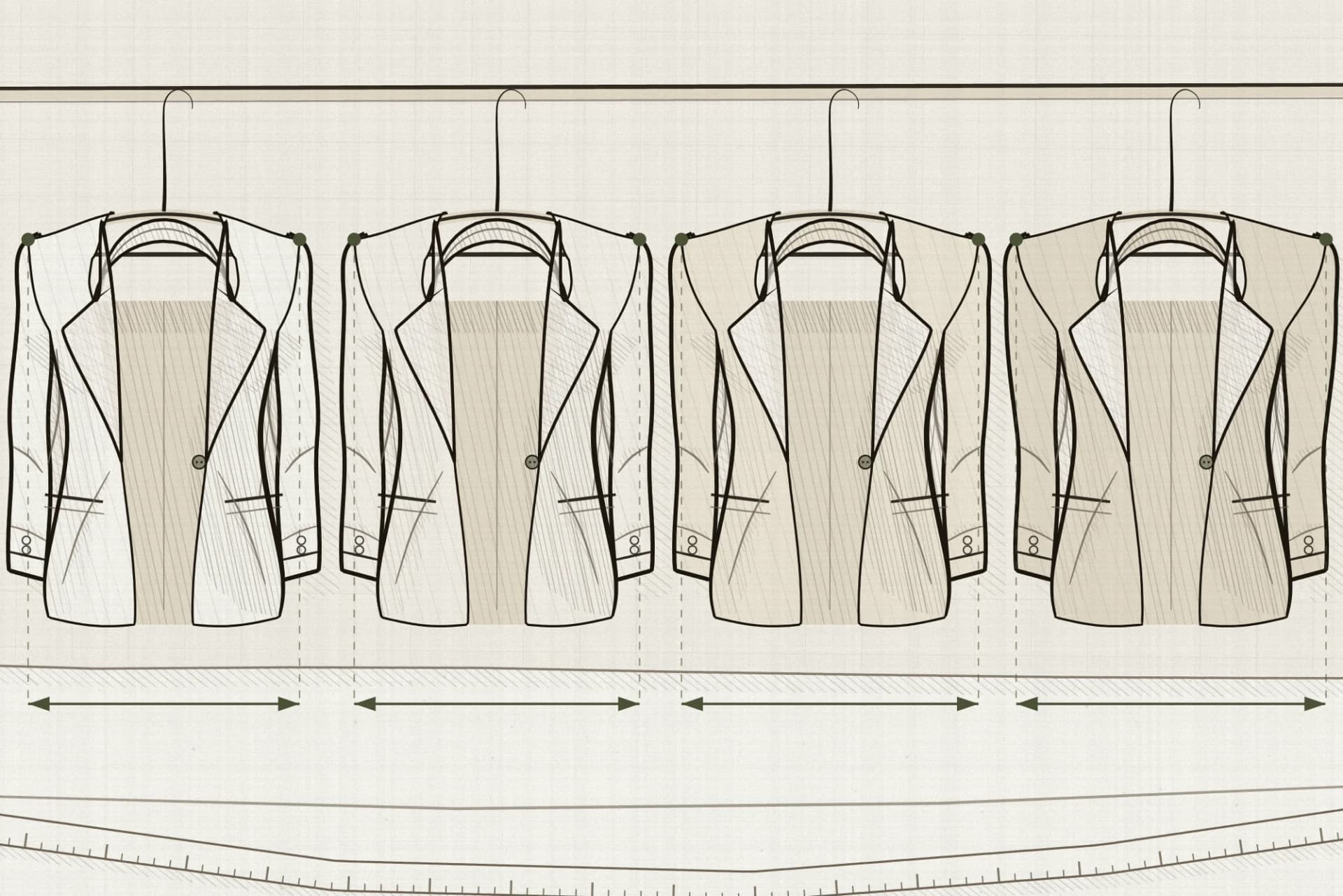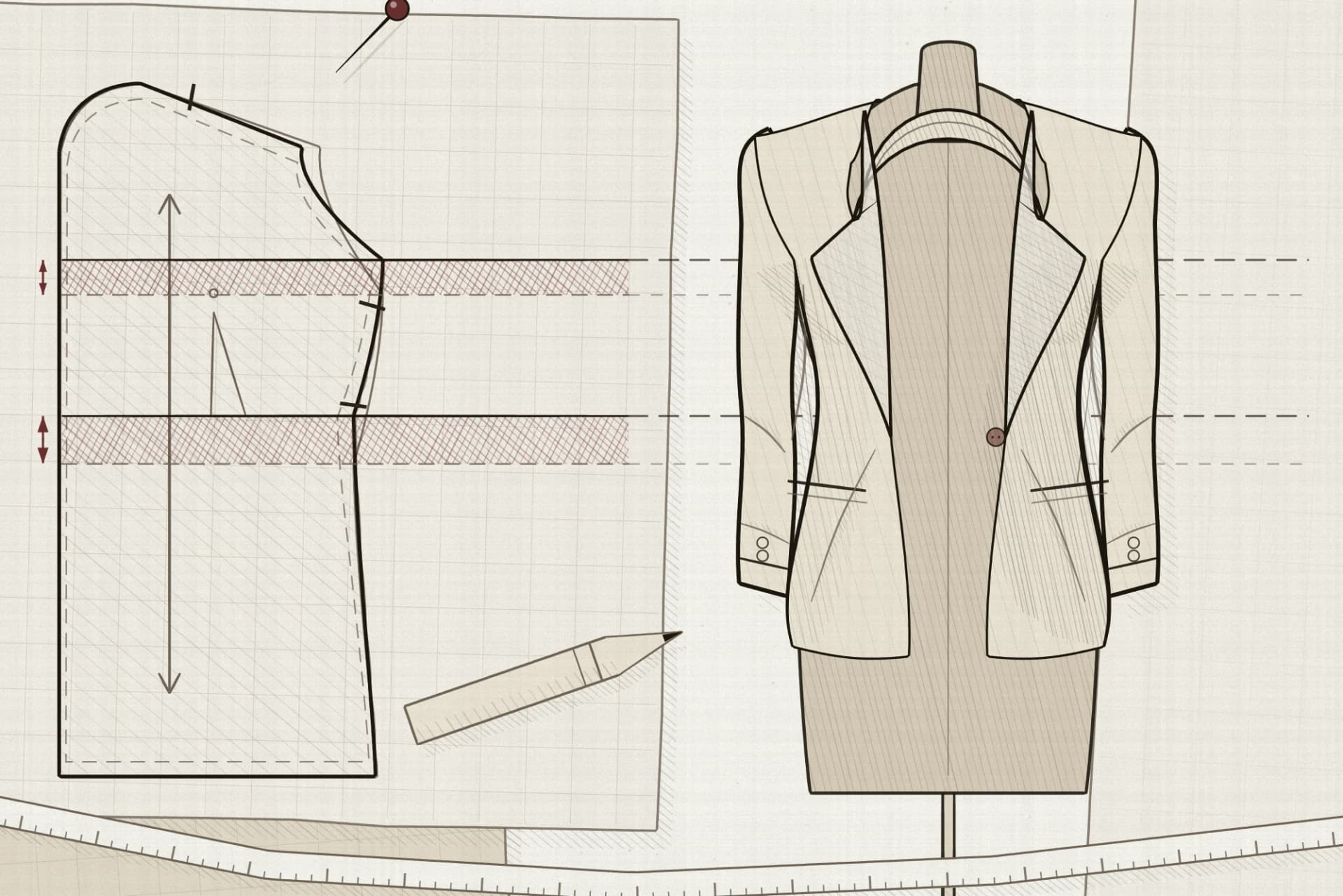
A reader wrote to ask a question that sounds simple and is not: “Is a petite blazer actually cut for me, or is it the regular one made shorter?” She had bought two in a season. One fitted. The other pulled across the back and hung wrong at the shoulder, and no amount of hemming was going to fix it.
The answer is knowable before you order, but only for some brands, because only some brands publish it. Of the twenty-one petite ranges in this directory, seven state something about how the petite garment differs from the regular one. The other fourteen run petite ranges and say nothing at all about the cut.
Why the shoulder is the whole question
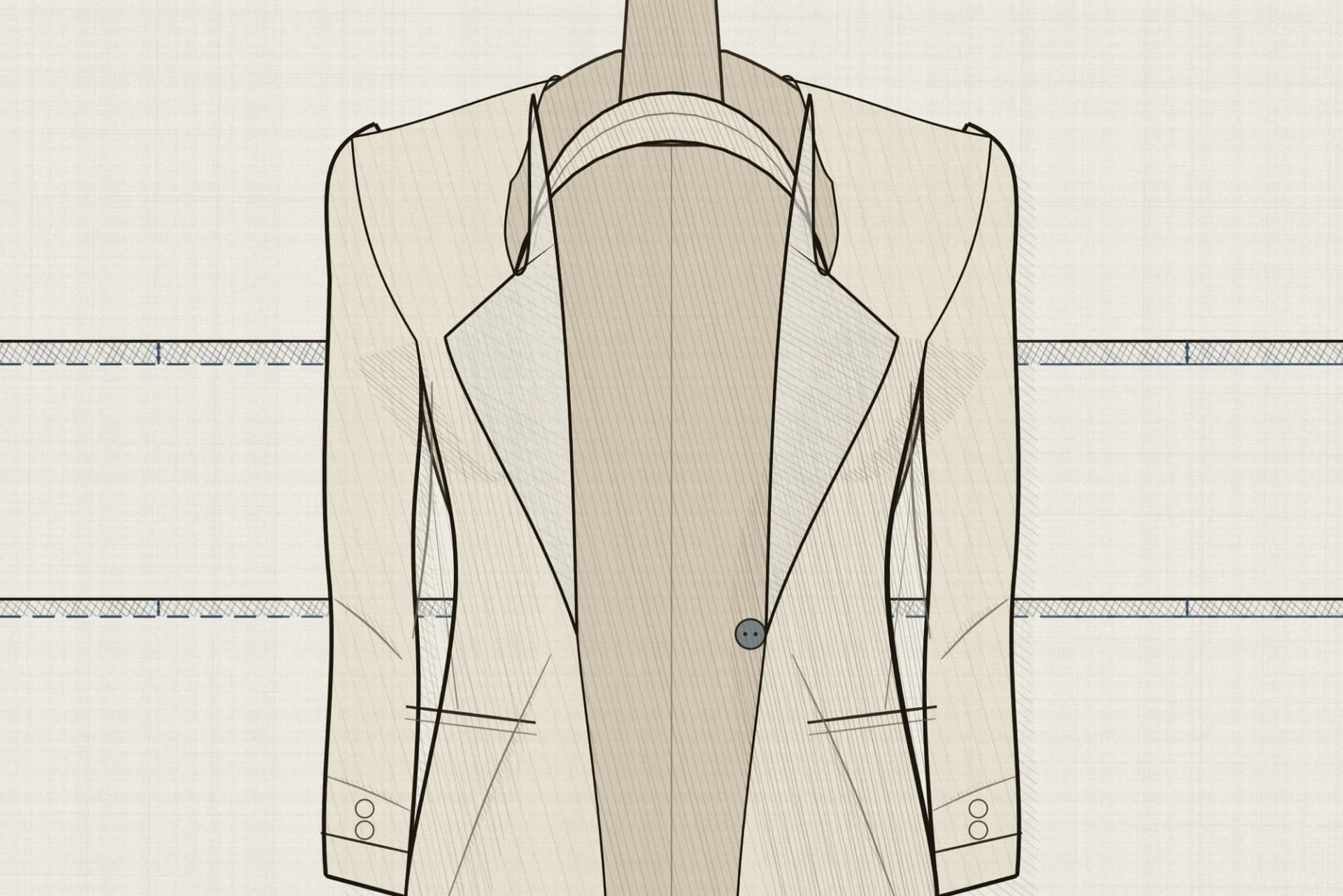
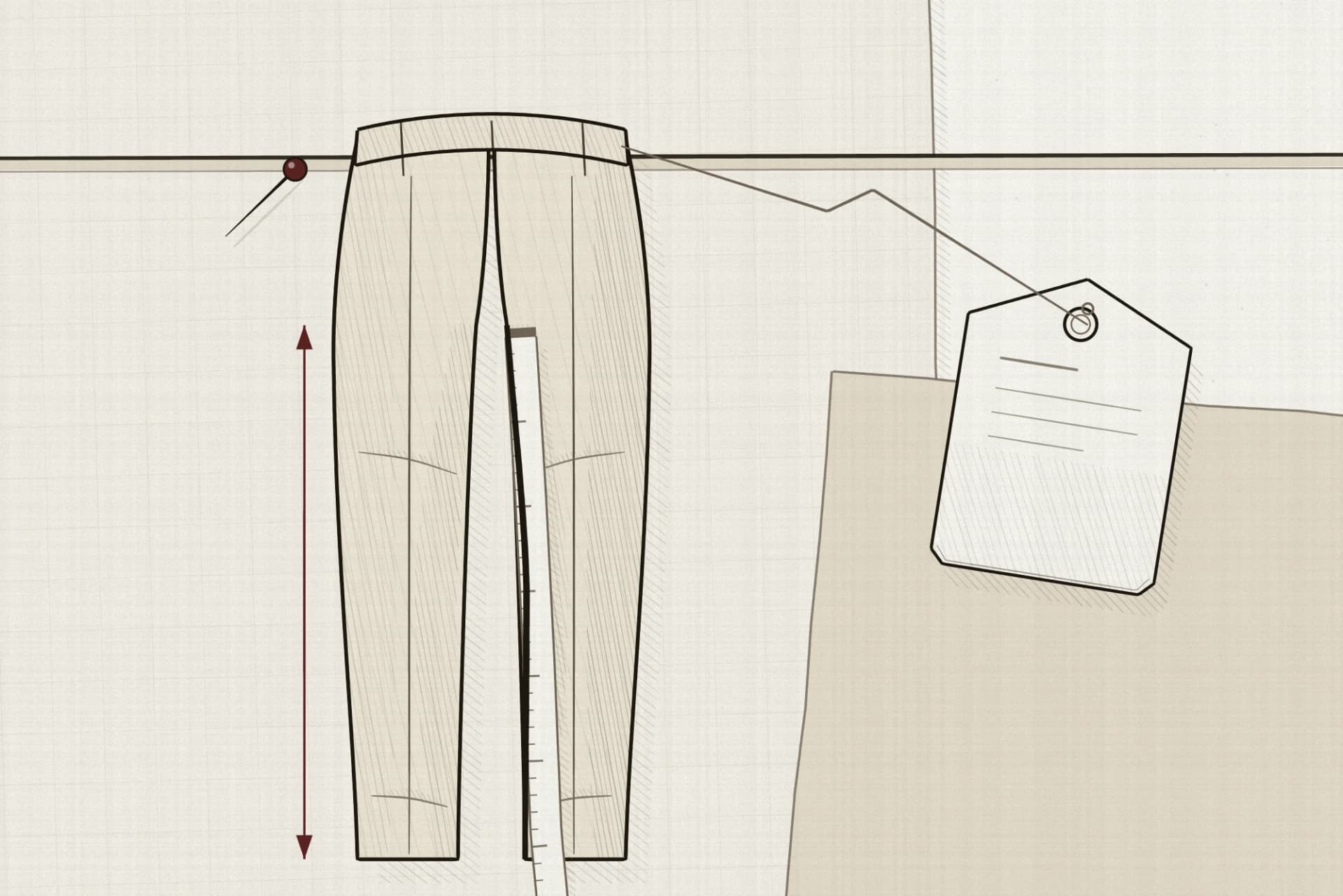
Hemming a trouser is a twenty-minute job. Shortening a sleeve from the cuff is routine. Moving a shoulder seam means taking the sleeve out, recutting the armhole and re-hanging the whole top of the garment, on a lined jacket, that costs more than most jackets.
So the useful question is not “does this brand do petite” but “does the petite garment have a different shoulder”. A range that redrafts the block answers yes. A range that shortens a standard block answers no, and the fit failure that follows is the one alterations cannot economically undo.
The seven that publish something
Below is what each of the seven records, resolved from the brand directory. Four describe a redrafted block; three describe shortening a standard one. Read the second column as the brand’s claim about itself, not as a verdict from us.
Side by side
The seven researched brands that publish something about petite drafting. Alteration likelihood is our inference from what the brand states, not a figure any brand publishes.
- Redrafted petite block
- Not established
- Low
- Redrafted petite block
- Body size chart only
- Low
- Redrafted petite block
- Not established
- Low
- Redrafted petite block
- Body size chart only
- Low
- Shortened standard block
- Not established
- Moderate
- Shortened standard block
- Body size chart only
- Moderate
- Shortened standard block
- Body size chart only
- Moderate
The most specific of the seven
J.Crew publishes its petite adjustments per garment type rather than as one blanket sentence, which is unusual enough to be worth reading closely. Shirts get narrower shoulders and closer button placement. Dresses get higher armholes and a shorter shoulder-to-waist bodice. Denim gets a shorter rise and a higher knee.
Narrower shoulders and higher armholes are the two changes a tailor cannot cheaply make. A range that starts there is doing the expensive part for you.
The case with no regular range to compromise with
Petite Studio is the only brand in the directory that exists solely for petite sizing, and its size guide says so explicitly: the sizes were developed by its own design team for the petite frame, and the chart is the brand’s own rather than a petite column added to a standard one.
That is a structurally different position from every other brand here. There is no regular block to adapt from, so there is no adaptation to get wrong.
Recorded data
Petite Studio, as recorded. Note the unknowns: a specialist brand is not automatically a well-documented one.
- Petite approach
- Redrafted petite block
- Measurement practice
- Body size chart only
- Ships to
- United States, International
- Petite size range
- Not established
The three that tell you only lengths change
Marks & Spencer, Karen Millen and Wallis are, in a sense, the most useful of the seven, because they say plainly that the body measurements do not differ. Karen Millen and Wallis both publish petite garment lengths beside the regular and tall equivalents, and state that key measurements are unchanged.
That is not a criticism of those ranges. A shortened standard block is genuinely the right answer for a reader who is petite in length and standard through the body, and knowing that in advance is worth more than a vaguer claim of a “true petite fit”. It is a criticism only of buying a structured jacket from one and expecting the shoulder to have moved.
And the fourteen that say nothing
The remaining fourteen brands in the directory run petite ranges and publish nothing about how the block is drafted. Their records show the petite approach as not established, with the reason stated. That is not an accusation, plenty of them may redraft thoroughly. It means the question cannot be answered from their own pages, and we will not answer it by guessing.
Practically: for those fourteen, buy the way you would from any unlabelled range. Check the returns terms first, order the structured pieces knowing the shoulder is an unknown, and treat a good fit as a pleasant surprise rather than a promise the brand made.