Petite Denim and Trousers: What Is Actually Published
Four bottoms-led ranges, and the one field none of them fills in.
By Fit Research Desk
· 7 min read
7 min read·guide
How to read this piece. Every figure below is resolved from the brand directory at build time, not typed into this article: each one names the brand’s own page it came from and the date that page was read. Where a brand publishes nothing, this says so rather than estimating. The interpretation around the figures is editorial, and is marked as such. Nothing here was worn, tried or measured by the publication.
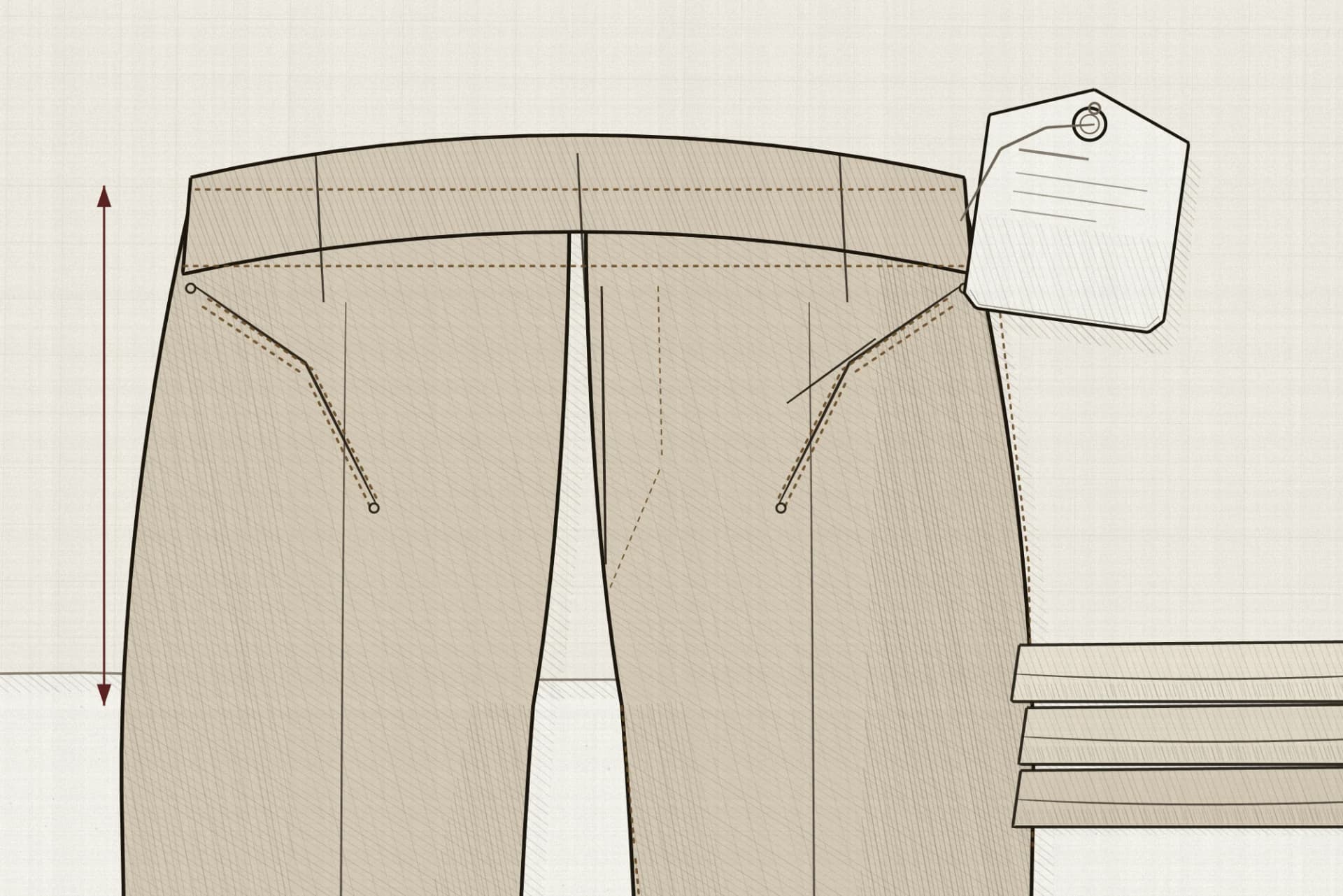
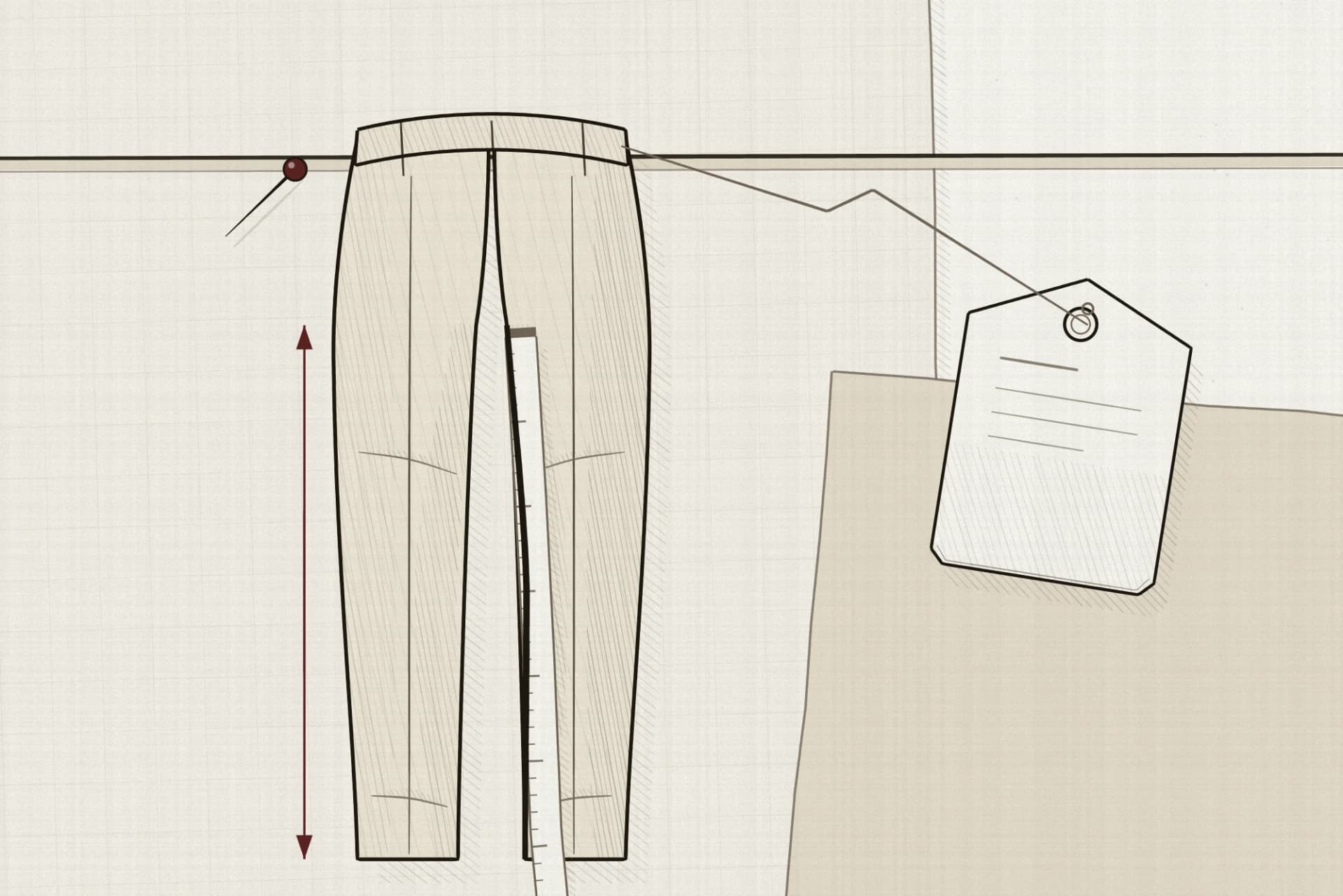
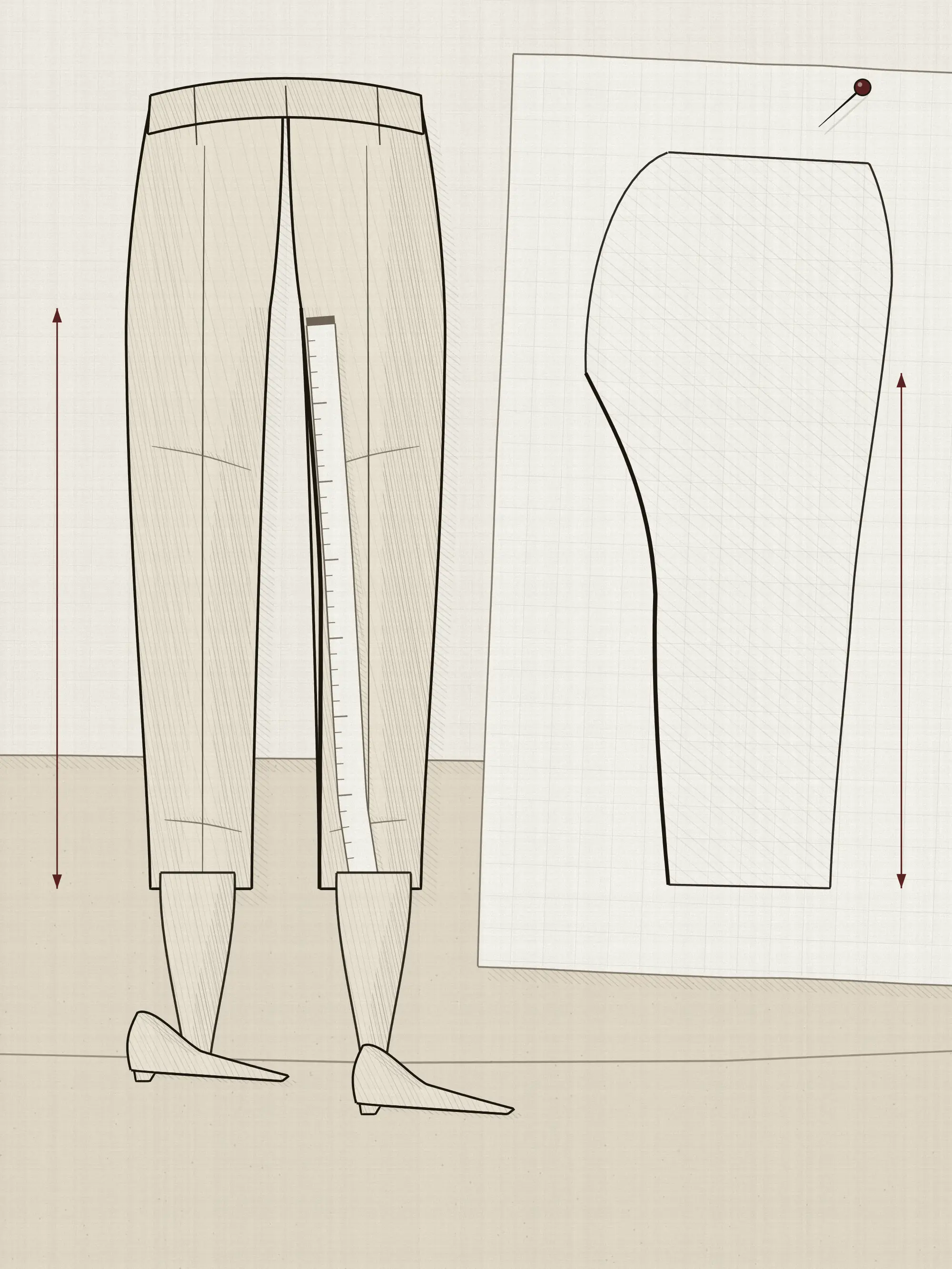
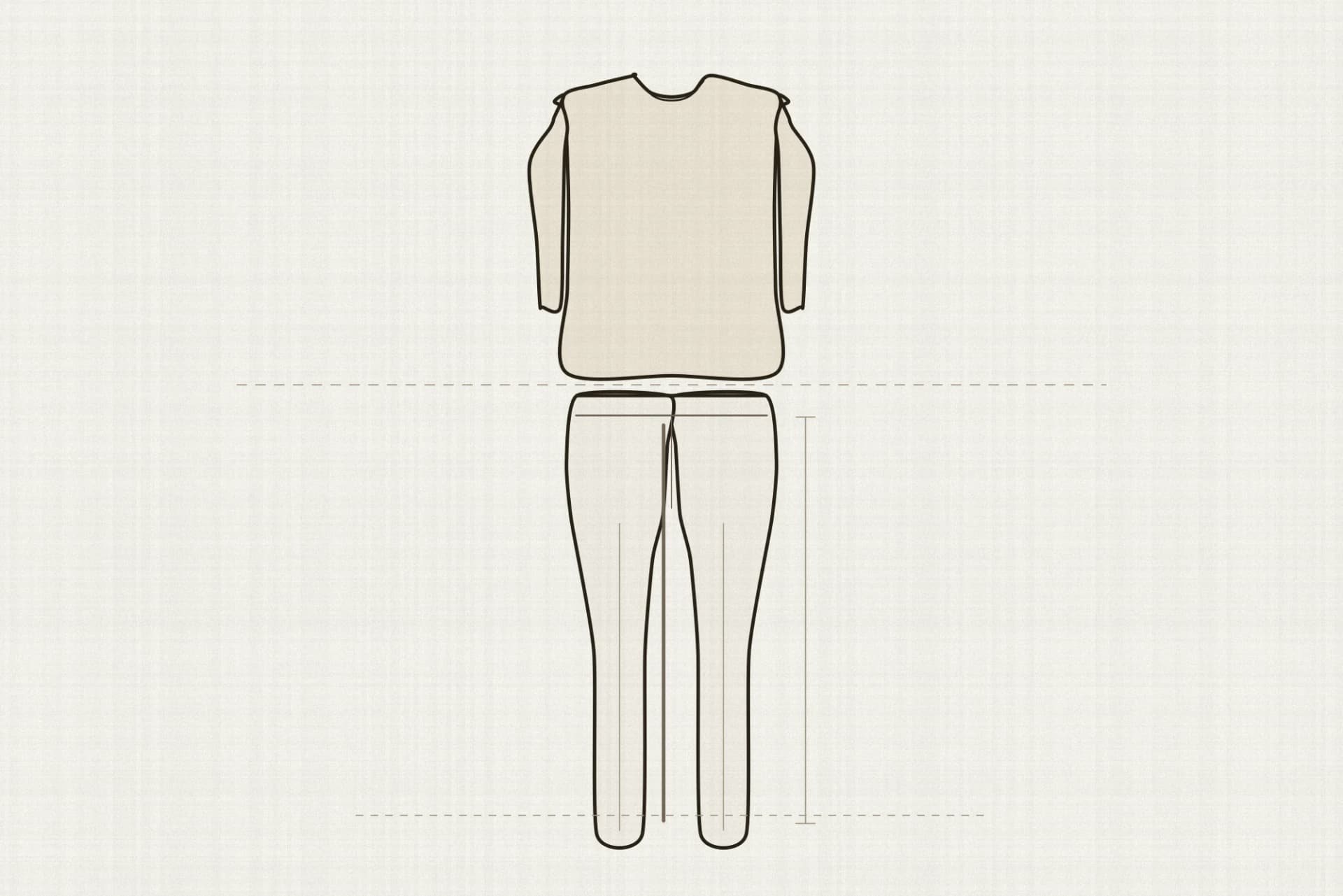
Denim is where petite ranges are deepest. It is also where published data is thinnest, because the number that matters most in trousers is the one brands treat as a per-product detail rather than a range standard.
Side by side
Four bottoms-led petite ranges. The inseam row is unestablished for every brand in the directory, not only these four.
Four bottoms-led petite ranges. The inseam row is unestablished for every brand in the directory, not only these four.
“Not established” means nobody has found the brand publishing it. It is not a “no”. Each record on the brand directory gives the reason for every gap.
That inseam row is the point of the table. It is not missing because these four are unusually reticent. It is unestablished across all twenty-one researched brands, and a directory that quietly filled it from product pages would be more useful-looking and less true.
The one that publishes a separate bottoms chart
NYDJ publishes a petite bottoms size chart as its own table rather than as a petite column bolted onto the regular one, and adds a fit instruction (that its sizing runs differently from other brands’) which is a genuinely actionable thing to know before ordering.
NYDJ as recorded. Denim is marked a strength because the brand’s own petite range is organised entirely around bottoms.
Denim coverage
StrongPublished
Measurement practice
Body size chart onlyPublished
Ships to
United StatesPublished
Petite size range
Not establishedUnknownThe petite range’s size span is not stated on the pages consulted.
Shortest published inseam
Not establishedUnknownNo inseam is published at range level. Individual products list their own, but one garment’s inseam is not a brand-wide standard.
Resolved from the brand record at build time, not copied into this article. Last reviewed 2026-07-29. Full evidence on the NYDJ record.
Buying denim without the number
Take the inseam from the product page, compare it against a pair you own that works, and treat anything over two inches of excess as a different silhouette rather than a hemming job. Cropped and wide-leg styles are least forgiving of the assumption that length is adjustable: shortening a wide leg changes where it breaks and how it hangs.
Sources
Guidance in this article is derived from the published material below. No garment described here has been worn or tested by the publication.
The fit research desk compiles published size charts, garment measurements and inseam data, then records what those numbers mean for a 5’4″-and-under frame. Findings are attributed to the measurements they came from.
Half-and-half is the most under-used strategy in petite shopping, and for once the size charts are on its side. Which published sizing actually supports mixing, and where it breaks.
Petite Fit · 8 min read
Save for later
Pin this story
Three formats travel differently: a headline pin for discovery, a quotation for reach, and a checklist for saves. All are 2:3.
Petite Revue
Petite denim: what four ranges publish, and what none of them do
Four bottoms-led ranges, and the one field none of them fills in.
Headline pin · 1000 × 1500
Compared on published size ranges, measurement practice and returns, with the missing inseam explained instead of estimated.