Skip to content
Petite Revue, home

Affordable elevated capsule wardrobes for petite women.

Petite Fit

The Science of Petite Fit · Part 4

Which Petite Ranges Say You Will Not Need a Tailor

Eight researched ranges publish enough about their petite cut for an alteration likelihood to be inferred. The inference, the reasoning, and where it runs out.

By Fit Research Desk

8 min read

8 min readguide
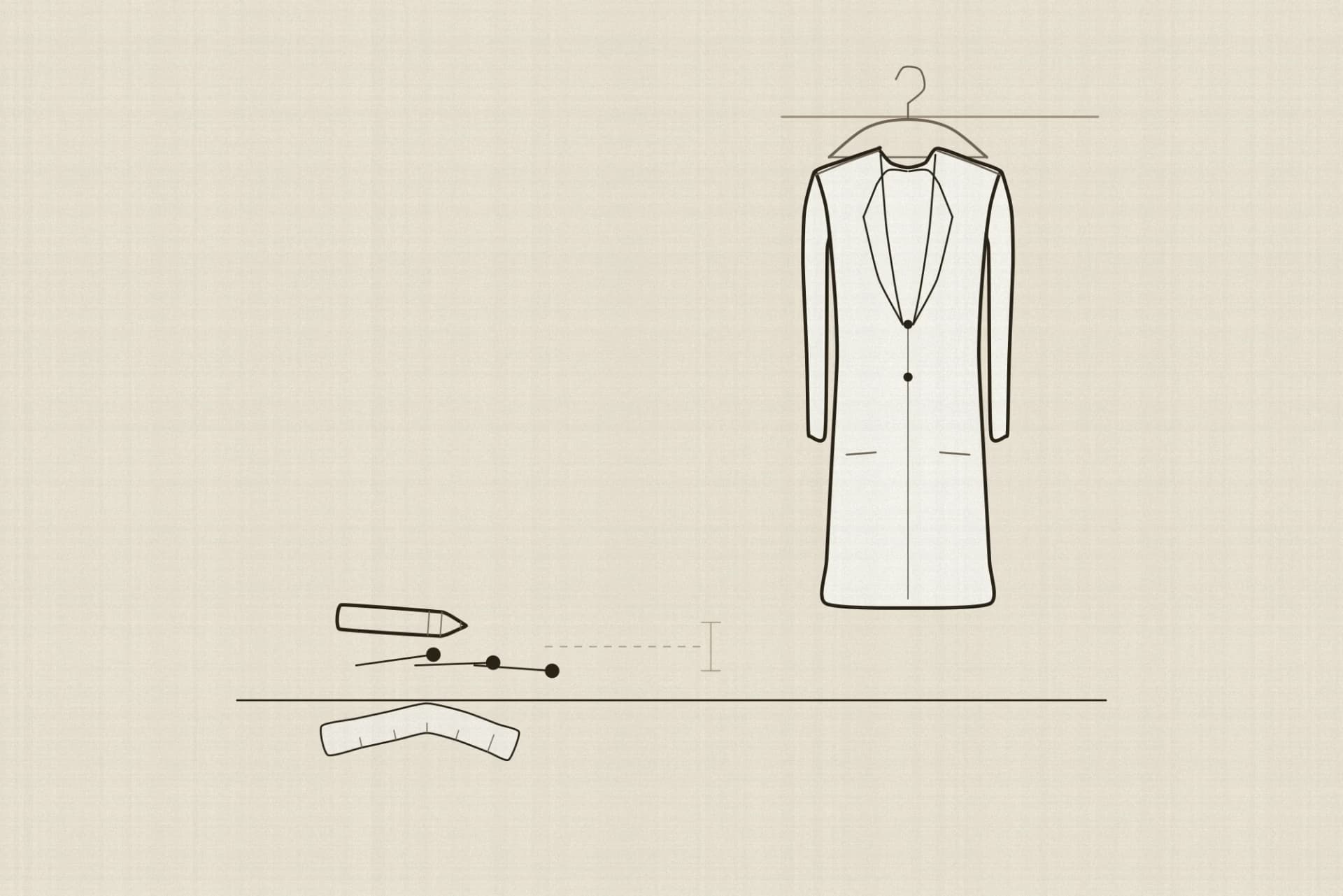
A finished tailored jacket hanging at one side while a tailoring kit of three pins, a pencil and a coiled tape measure lies unused on the table, with a short ruled line stopping well before the garment.

How to read this piece. Every figure below is resolved from the brand directory at build time, not typed into this article: each one names the brand’s own page it came from and the date that page was read. Where a brand publishes nothing, this says so rather than estimating. The interpretation around the figures is editorial, and is marked as such. Nothing here was worn, tried or measured by the publication.

The alterations bill is the part of a petite purchase nobody prices at the till. A companion piece on this site works through which alterations are worth paying for garment by garment. This one asks the question that comes before it: which ranges, on their own published account of how they cut petite, are least likely to send you to the tailor at all?

Be clear about the epistemics first, because this page trades in the directory’s weakest class of fact. No brand publishes an alteration likelihood. What eight brands publish is a description of their petite cut, and from each description an inference can be drawn and labelled as ours. Every cell on this page says “our inference” on its face, and each carries the reasoning it rests on.

The logic that turns a cut description into a likelihood

The reasoning is the same one a fitter would use. A range that redrafts its block for shorter frames has already made the expensive changes, the shoulder and the armhole, so what remains for a tailor is hem work. A range that shortens a standard block has left the shoulder alone, so a structured piece may need the one alteration that costs more than the garment. And a range that says the body measurements do not change has told you exactly which half of the fitting to check in the mirror first.

The eight, with their reasoning attached

The table resolves from the directory, so each likelihood is displayed beside the block description it was inferred from. Read the two columns together: the inference is only ever as good as the published statement behind it.

Side by side

Every alteration likelihood in the directory, beside the published petite approach it was inferred from. All eight likelihoods are our inference, labelled as such; the block descriptions are the brands’ own.

J.Crew

Alteration likelihood
LowOur reading
Petite approach
Redrafted petite blockPublished

Petite Studio

Alteration likelihood
LowOur reading
Petite approach
Redrafted petite blockPublished

Whistles

Alteration likelihood
LowOur reading
Petite approach
Redrafted petite blockPublished

Sosandar

Alteration likelihood
LowOur reading
Petite approach
Redrafted petite blockPublished

Phase Eight

Alteration likelihood
LowOur reading
Petite approach
Not establishedUnknown

Marks & Spencer

Alteration likelihood
ModerateOur reading
Petite approach
Shortened standard blockPublished

Karen Millen

Alteration likelihood
ModerateOur reading
Petite approach
Shortened standard blockPublished

Wallis

Alteration likelihood
ModerateOur reading
Petite approach
Shortened standard blockPublished

“Not established” means nobody has found the brand publishing it. It is not a “no”. Each record on the brand directory gives the reason for every gap.

Notice what the table does not contain: the other thirteen researched ranges. They publish nothing about their cut, so no inference exists for them. That absence is a finding with its own article, linked below, and it is the single most common answer in the directory.

What a low likelihood actually buys you

A low inference does not mean garments will fit. It means the failure modes that remain are the cheap ones. Buying a structured jacket from a range with a redrafted shoulder converts the worst-case alteration from a rebuild into a hem, and a hem is a known, bounded cost you can put straight into a cost-per-wear figure before deciding.

Pricing the risk before you order

  • Structured piece from a redrafted block: budget a hem, nothing more.
  • Structured piece from a lengths-only range: budget a fitting-room veto, not a tailor.
  • Anything from a silent range: treat the cut as unknown and buy where returning is cheap.
  • Nothing on this page was worn, fitted or measured, and no likelihood is a fit promise.
  • The inferences cover eight ranges. The other thirteen are unknown, not fine.
  • A published cut description can change; each inference inherits the freshness of the page behind it.

Sources

Guidance in this article is derived from the published material below. No garment described here has been worn or tested by the publication.

  1. Brand’s own page

    The Petite Shop | Petite Pants, Dresses, Jeans & More | J.Crew

    J.Crew

    Petite range page.

    Consulted 2026-07-29

  2. Size chart

    Size Chart – Petite Studio

    Petite Studio

    Published size chart.

    Consulted 2026-07-29

  3. Brand’s own page

    petite-fit-guide |

    Whistles

    Help & FAQ.

    Consulted 2026-07-29

  4. Brand’s own page

    Petite Collection

    Sosandar

    Petite range page.

    Consulted 2026-07-29

  5. Brand’s own page

    Petite Clothing |

    Phase Eight

    Petite range page.

    Consulted 2026-07-29

  6. Brand’s own page

    Petite Clothing at M&S

    Marks & Spencer

    Petite range page.

    Consulted 2026-07-29

  7. Size chart

    Size Guide | Informational | Karen Millen

    Karen Millen

    Published size chart.

    Consulted 2026-07-29

  8. Size chart

    Size Guide | Size Guide Information | Wallis

    Wallis

    Published size chart.

    Consulted 2026-07-29

Reading path

Start here

Foundations this piece builds on.

Go deeper

Assumes you have read this one.

Measurement & fit research

Fit Research Desk

The fit research desk compiles published size charts, garment measurements and inseam data, then records what those numbers mean for a 5’4″-and-under frame. Findings are attributed to the measurements they came from.

Share this story

https://www.petite-revue.com/editorial/which-petite-ranges-say-no-tailor

Where to next

Continue reading

Chosen by relationship to what you have just read, not by recency.

All stories
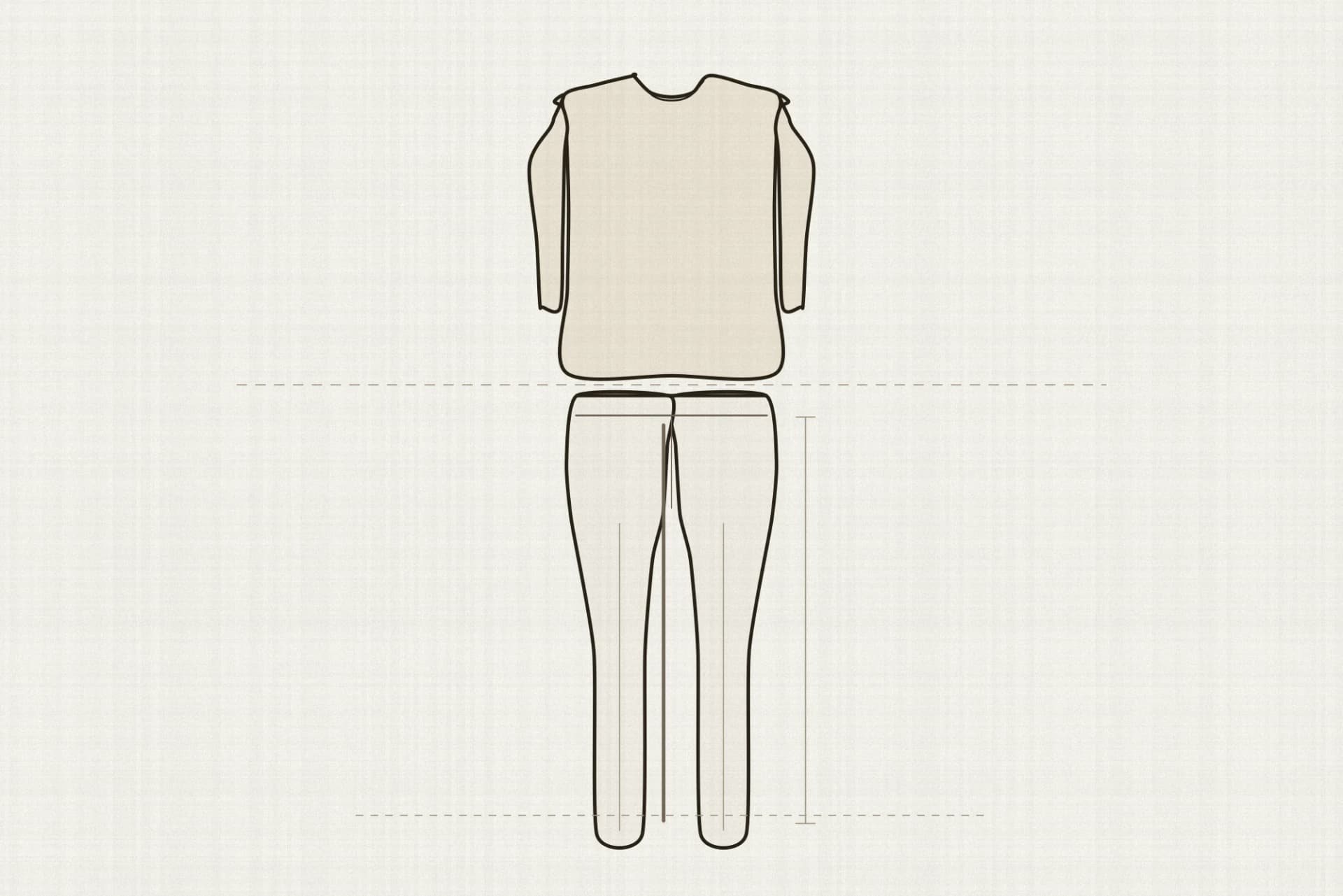
  • An outfit divided by one horizontal rule at the waist. The knit above the line is drawn plain, while the trouser below it carries a heavy inside-leg line, a measuring bracket and a dashed hem rule.

    Part 5 of The Science of Petite Fit

    Petite on the Bottom, Regular on Top

    Half-and-half is the most under-used strategy in petite shopping, and for once the size charts are on its side. Which published sizing actually supports mixing, and where it breaks.

    Petite Fit8 min read

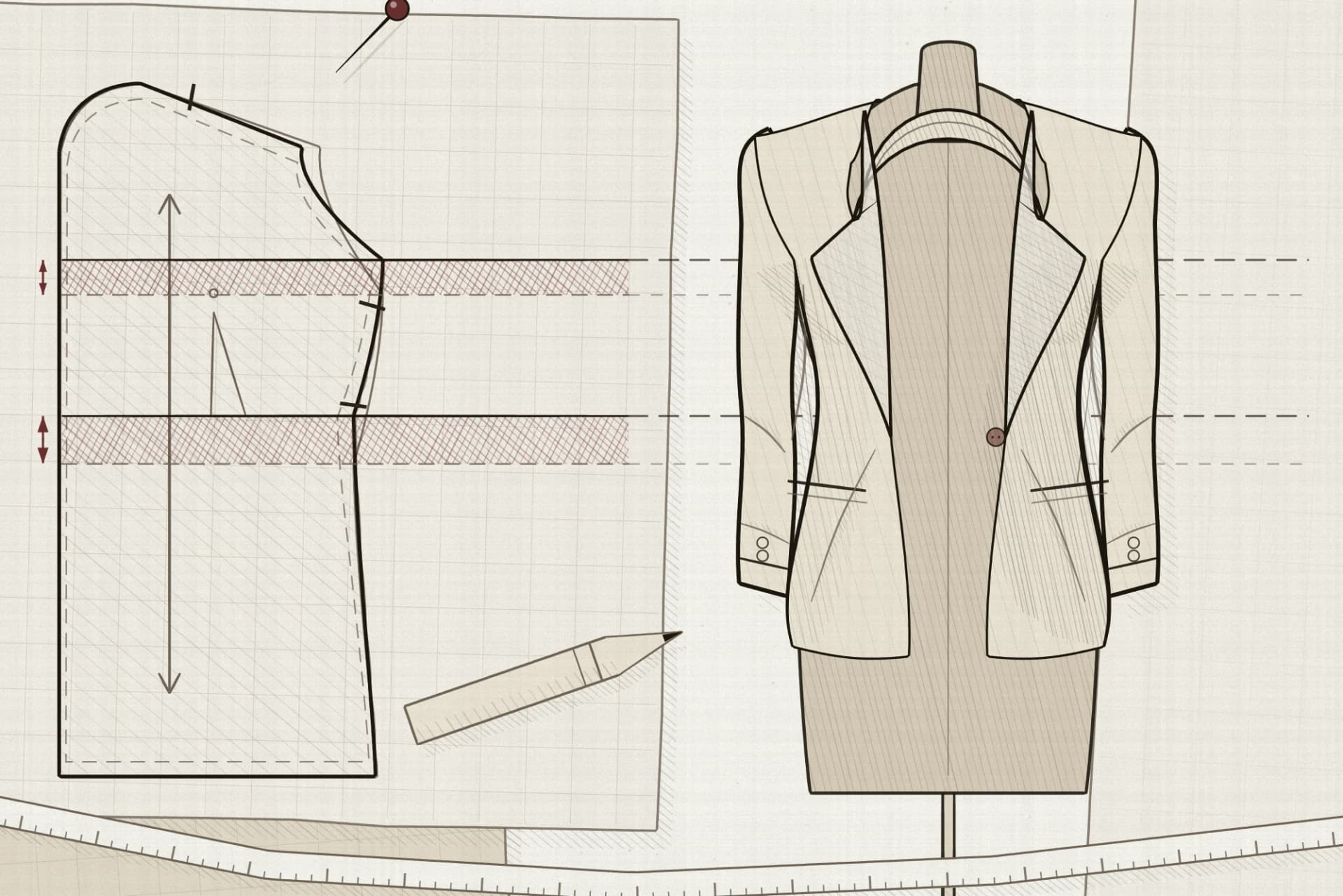
  • A tailored jacket on a dress stand beside a drafting table, where the petite jacket front pattern is drawn over the standard block it departs from. The armhole and waist heights where the two drafts differ are shaded, and the same heights are ruled across to the jacket. A pencil rests on the pattern paper and a tape measure lies across the foreground.

    Go deeper

    Which Brands Actually Say How Their Petite Block Is Drafted

    Of twenty-one researched petite ranges, seven describe what changes. This is what those seven say, in their own words.

    Petite Fit9 min read

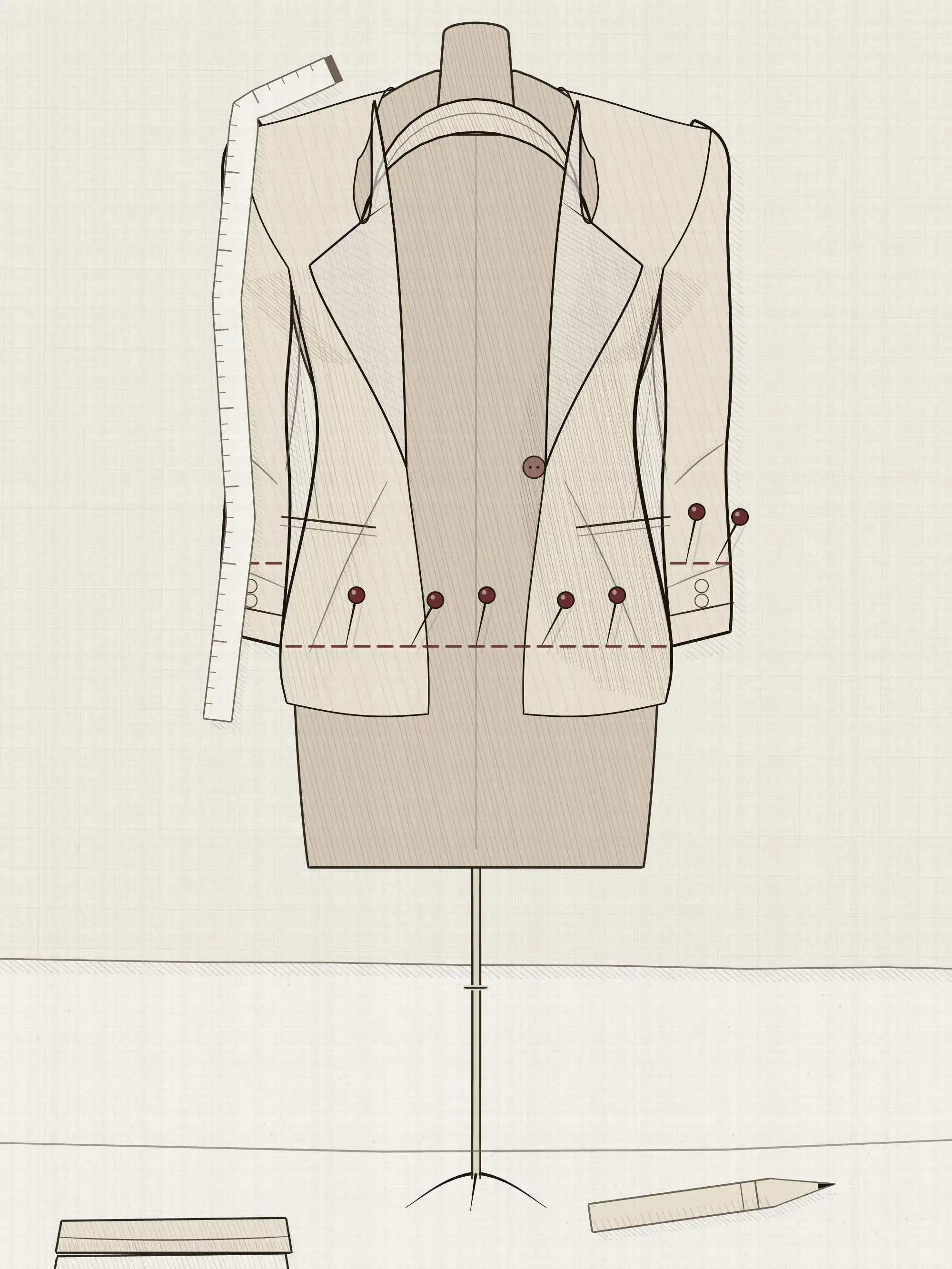
  • A tailored jacket on a stand part way through an alteration, with chalk lines and pins set where the sleeves and hem are to come up and the amount to be taken off the hem measured.

    Related reading

    What Is Worth Tailoring, and What Isn’t

    Alteration is a wardrobe strategy with a budget. Spending it on the wrong three garments is how people conclude that petite sizing is hopeless.

    Shopping7 min read

Save for later

Pin this story

Three formats travel differently: a headline pin for discovery, a quotation for reach, and a checklist for saves. All are 2:3.

  • Warm sand illustrated plate with a faint outline of a coat low in the frame, used as a Pinterest graphic background.

    Petite Revue

    The petite ranges least likely to need a tailor

    Eight researched ranges publish enough about their petite cut for an alteration likelihood to be inferred. The inference, the reasoning, and where it runs out.

    Headline pin · 1000 × 1500

    No brand forecasts your alterations bill, but eight publish enough about their petite cut for a reasoned inference. Each one shown with its basis, from the brand’s own pages.

    Save to Pinterest
  • Series

    The Proportion Series

    Where hems, waistbands, sleeves and shoes land, and why those few inches decide everything.

    4 of 7 published

  • Series

    Capsule Wardrobe Academy

    Building a small wardrobe that covers a real month, one decision at a time.

    1 of 5 published

  • Series

    Brand Investigation

    Reading what brands publish about their petite blocks, and what the gaps reveal.

    4 of 4 published