Skip to content
Petite Revue, home

Affordable elevated capsule wardrobes for petite women.

Shopping

The Science of Petite Fit · Part 3

What Is Worth Tailoring, and What Isn’t

Alteration is a wardrobe strategy with a budget. Spending it on the wrong three garments is how people conclude that petite sizing is hopeless.

By Petite Revue Editorial Desk

7 min read

7 min readguide
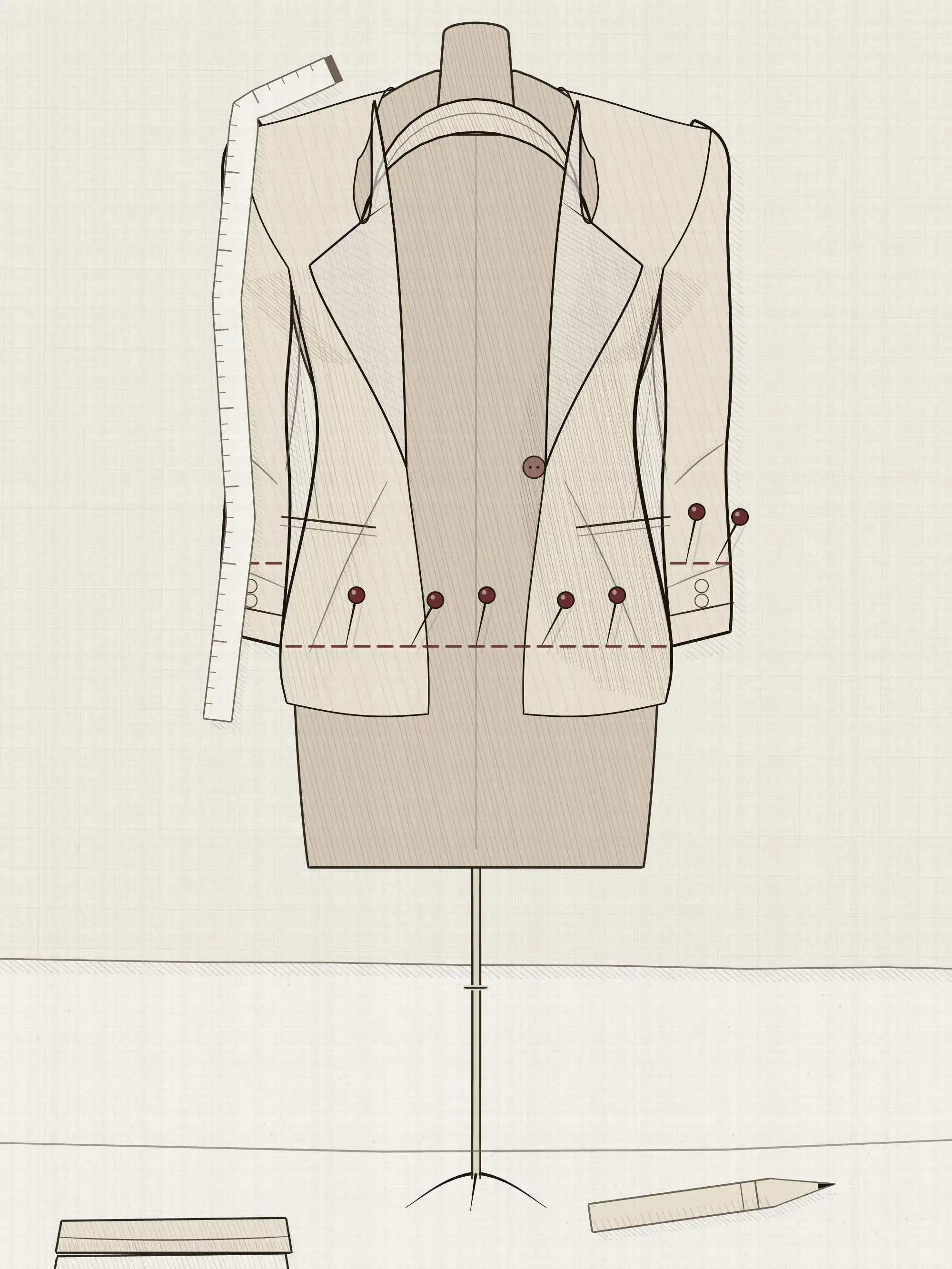
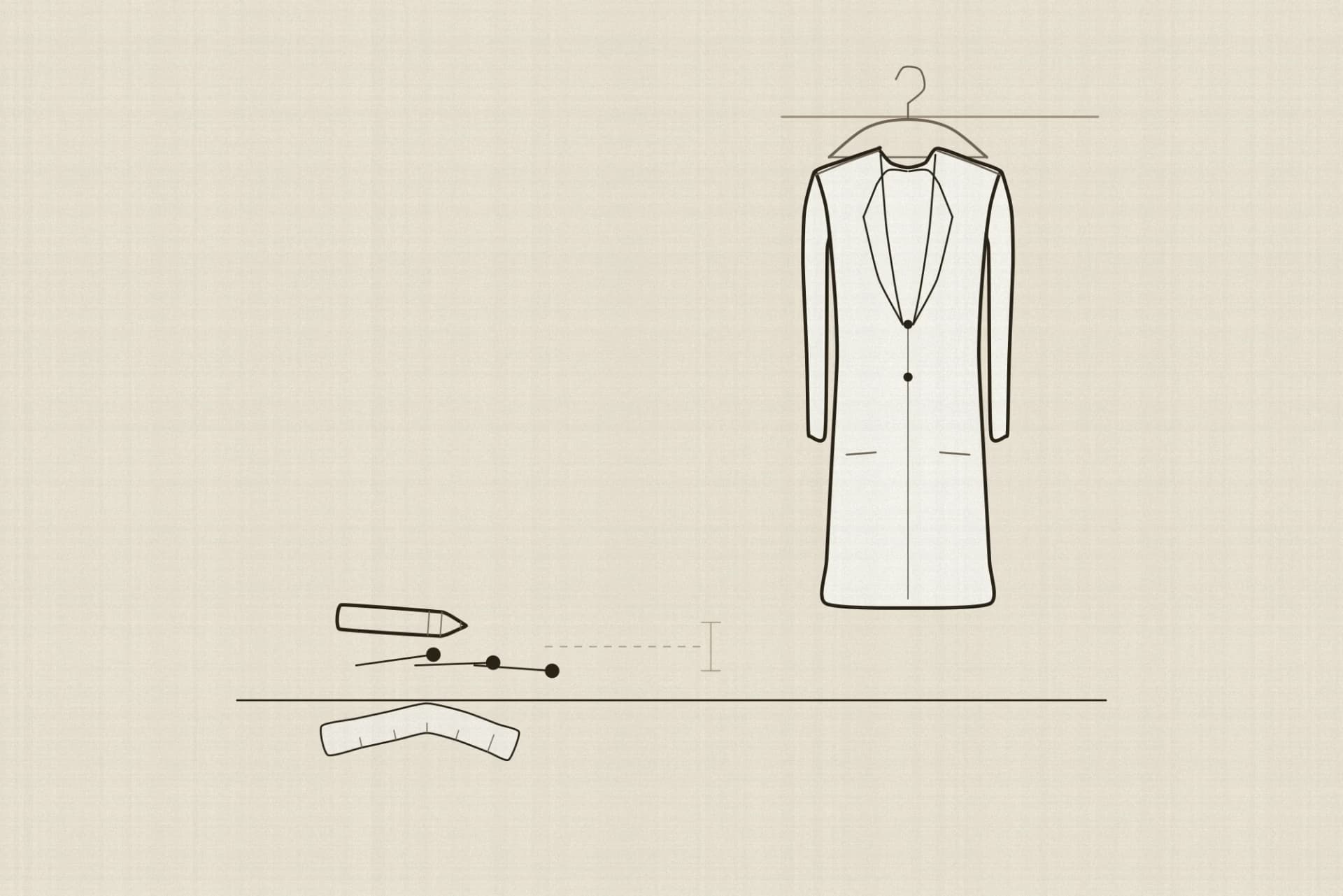
A tailored jacket on a stand part way through an alteration, with chalk lines and pins set where the sleeves and hem are to come up and the amount to be taken off the hem measured.

Guidance in this article is derived from brands’ own published garment measurements. Nothing described here has been worn or tested by the publication.

The argument against buying standard sizing and altering it is not that alteration fails. It is that alteration has a budget, and the garments that need the most of it are the ones least able to absorb it.

Worth paying for

  • Trouser and skirt hems. The cheapest alteration available and frequently the difference between a garment being worn and being stored.
  • Sleeve length on an unlined jacket. Straightforward, and it restores the whole cuff-to-hand proportion.
  • Waist suppression on a trouser that fits at the hip. A common petite mismatch and an easy fix.

Rarely worth it

  • Shoulders on a structured jacket. The most expensive alteration in tailoring, and the result is usually a compromise.Footnote 1
  • Rise on a trouser. Reconstructing a rise changes the pocket bags, the fly and the waistband simultaneously.
  • Shortening a lined coat from the hem when the pockets, plackets and button spacing were drafted for the original length.

Pay for length. Do not pay for architecture.

A reasonable rule: if the alteration only moves an edge, it is probably worth it. If it moves a seam that other seams depend on, buy something else.

Notes

  1. Reshaping a structured jacket’s shoulder means opening the lining, removing the sleeve head and the pad, and resetting both. It is the most labour-intensive common alteration, and the result is a compromise more often than not.

Sources

Guidance in this article is derived from the published material below. No garment described here has been worn or tested by the publication.

  1. Standard

    Standard alteration scopes and typical labour

    Trade reference

    Basis for which alterations are treated as cheap versus structural.

    Consulted 2026-06-02No public link recorded

Reading path

Start here

Foundations this piece builds on.

Editorial

Petite Revue Editorial Desk

The editorial desk plans each issue, commissions the guides and keeps the house point of view consistent: clothes should fit a shorter frame without alteration wherever that is possible, and look considered rather than expensive.

Share this story

https://www.petite-revue.com/editorial/what-is-worth-tailoring

Where to next

Continue reading

Chosen by relationship to what you have just read, not by recency.

All stories
  • A finished tailored jacket hanging at one side while a tailoring kit of three pins, a pencil and a coiled tape measure lies unused on the table, with a short ruled line stopping well before the garment.

    Part 4 of The Science of Petite Fit

    Which Petite Ranges Say You Will Not Need a Tailor

    Eight researched ranges publish enough about their petite cut for an alteration likelihood to be inferred. The inference, the reasoning, and where it runs out.

    Petite Fit8 min read

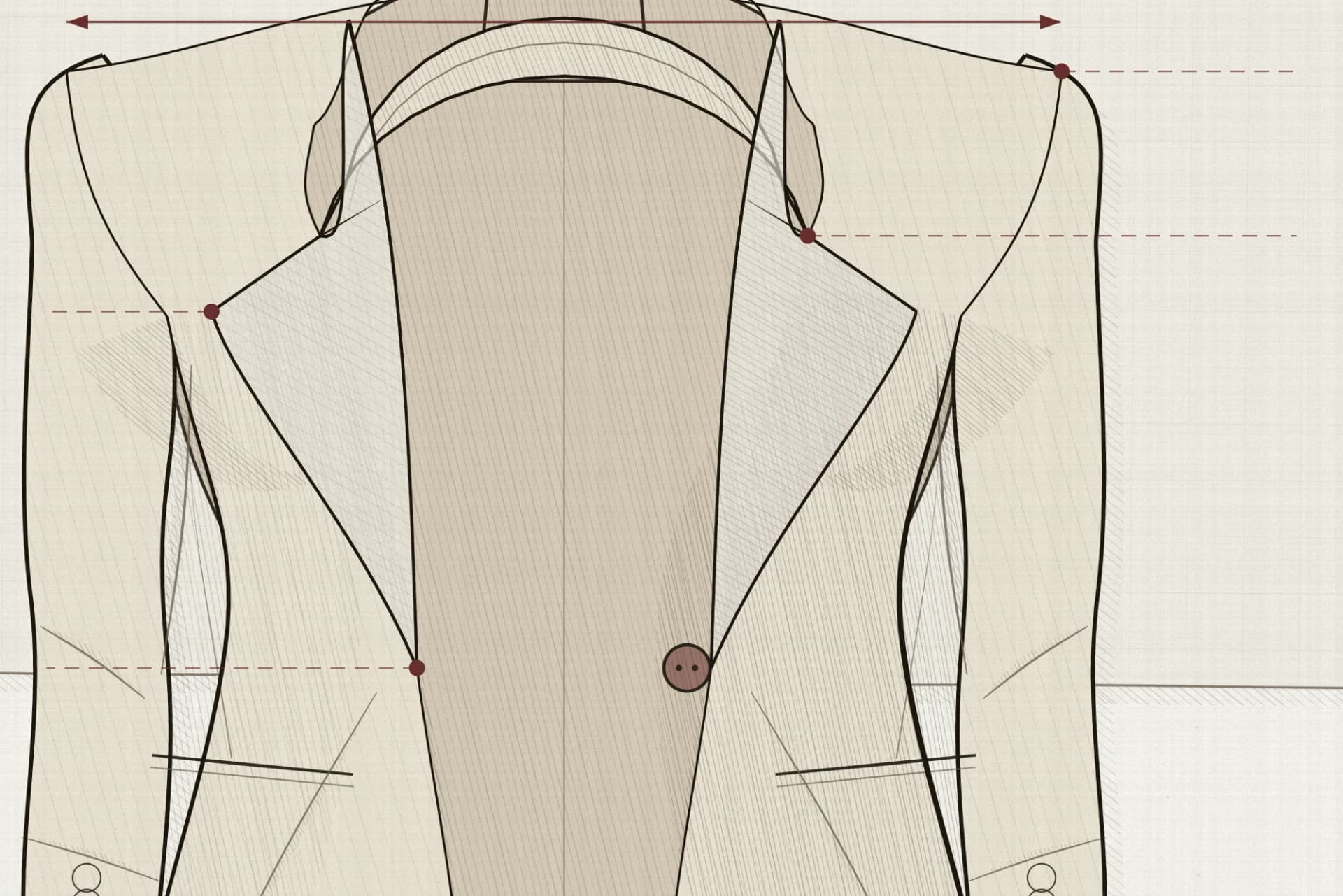
  • A tailored jacket seen close enough to read its construction, with the shoulder point, gorge, lapel point and button marked and the shoulder width measured across the top.

    Related reading

    Reading a Blazer Before You Try It On

    Four measurements on a product page will tell you more about how a jacket will sit than any photograph of it on a 5’10″ model.

    Petite Fit7 min read

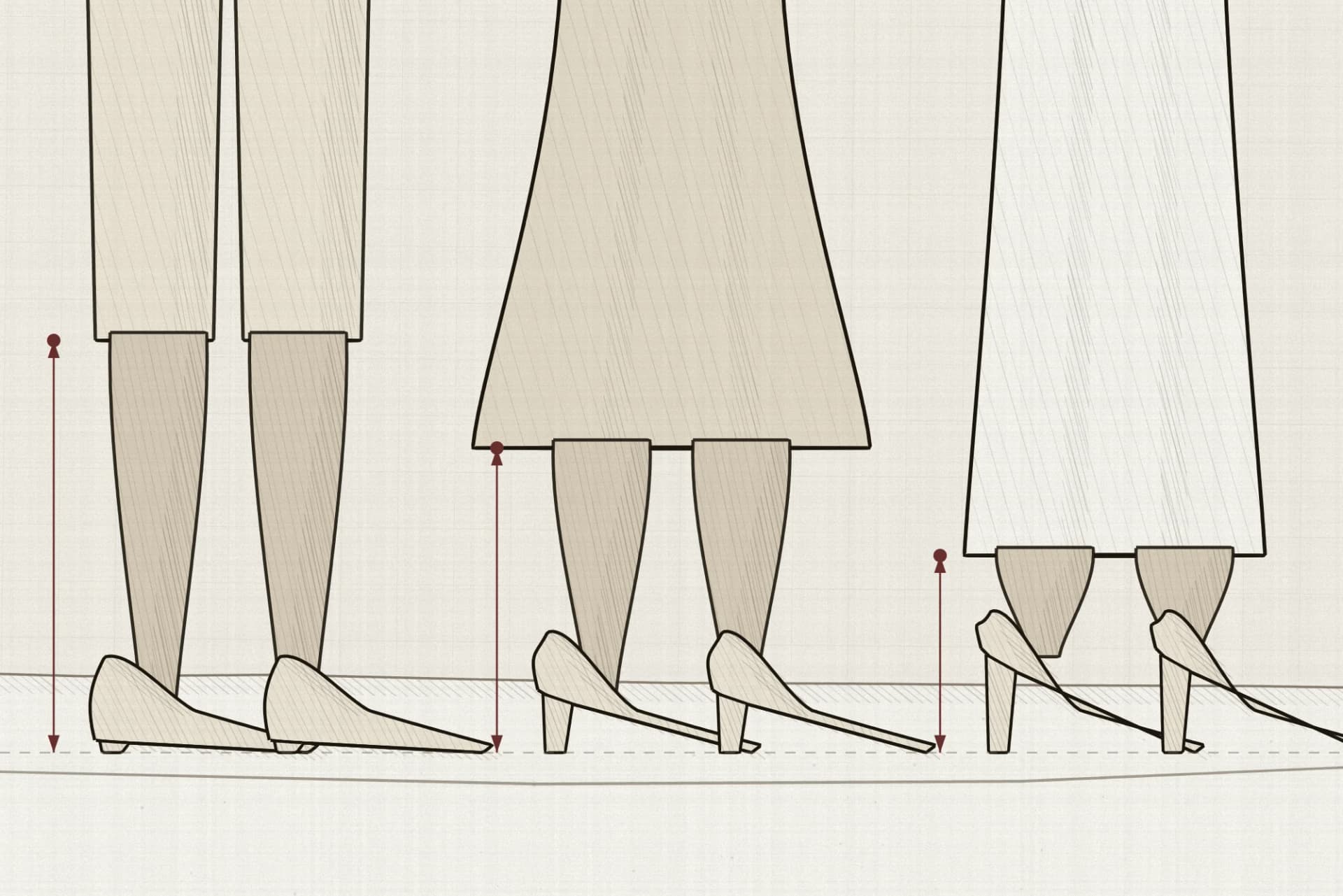
  • Three lower-body studies side by side, a trouser, a skirt and a dress, each ending at a different height above a different heel, with every hem measured down to a shared floor line.

    Related reading

    Hem Lengths: The Four Decisions That Matter

    Skirts and dresses offer a continuous range of lengths. Only four points on it behave predictably on a shorter frame.

    Petite Fit6 min read

Save for later

Pin this story

Three formats travel differently: a headline pin for discovery, a quotation for reach, and a checklist for saves. All are 2:3.

  • Warm sand illustrated plate with a faint outline of a coat low in the frame, used as a Pinterest graphic background.

    Petite Revue

    What is worth tailoring, and what isn’t

    Pay for length, not for architecture

    Headline pin · 1000 × 1500

    Which petite alterations are inexpensive and transformative (hems, sleeves, waists) and which, like shoulders and rises, cost enough to make a different purchase the better choice.

    Save to Pinterest
  • Deep espresso illustrated plate with pale outline drawings of a jacket and trousers, used as a Pinterest quote background.

    Petite Revue

    Pay for length. Do not pay for architecture.

    The Science of Petite Fit

    Quote pin · 1000 × 1500

    The rule for petite alterations: if it only moves an edge, it is probably worth it. If it moves a seam other seams depend on, buy something else.
    Save to Pinterest
  • Series

    The Proportion Series

    Where hems, waistbands, sleeves and shoes land, and why those few inches decide everything.

    4 of 7 published

  • Series

    Capsule Wardrobe Academy

    Building a small wardrobe that covers a real month, one decision at a time.

    1 of 5 published

  • Series

    Brand Investigation

    Reading what brands publish about their petite blocks, and what the gaps reveal.

    4 of 4 published