Petite Outerwear and Knitwear: The Published Picture
Coats are the hardest thing to buy petite and the thinnest category for published data. What four ranges do state.
By Fit Research Desk
· 6 min read
6 min read·guide
How to read this piece. Every figure below is resolved from the brand directory at build time, not typed into this article: each one names the brand’s own page it came from and the date that page was read. Where a brand publishes nothing, this says so rather than estimating. The interpretation around the figures is editorial, and is marked as such. Nothing here was worn, tried or measured by the publication.
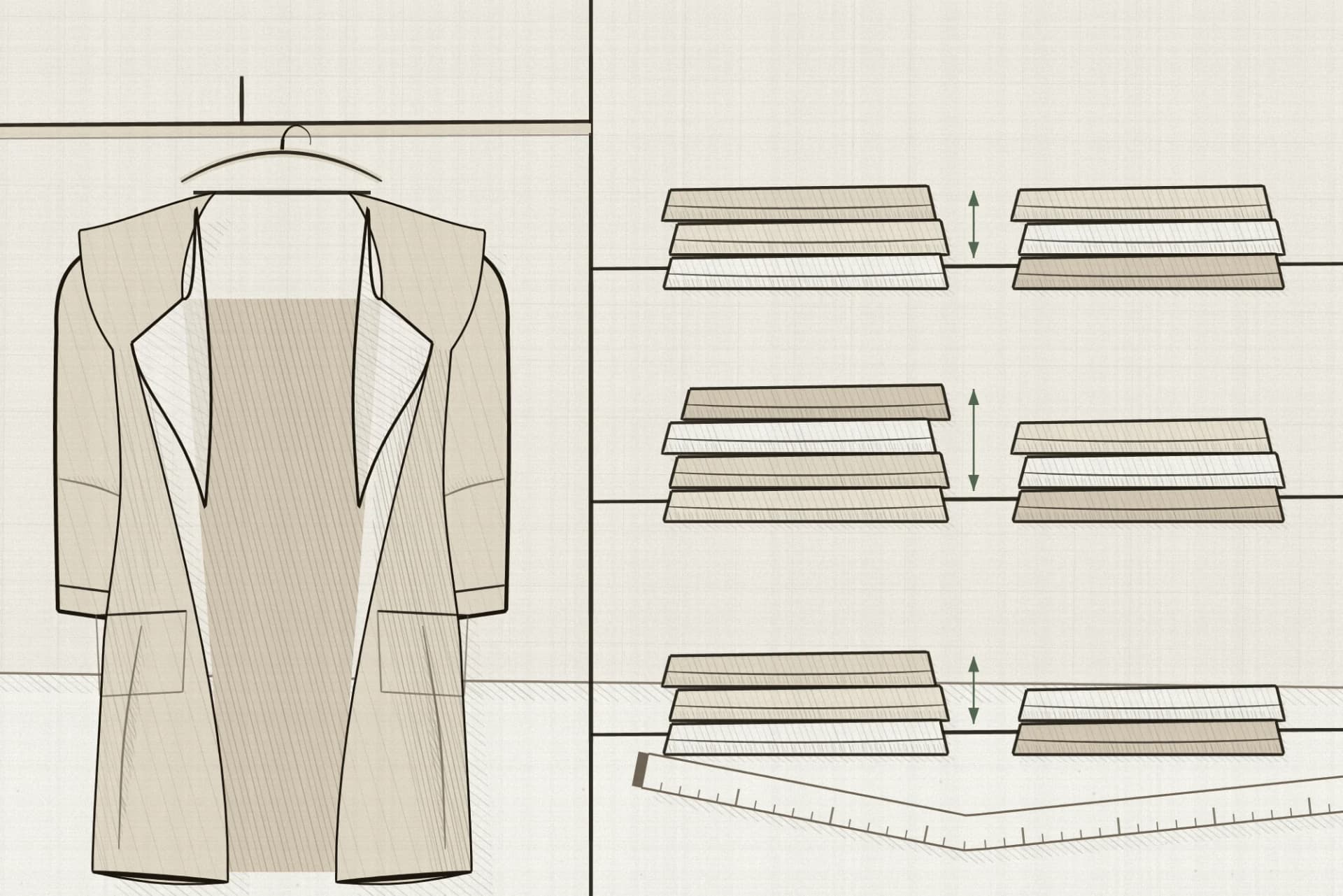
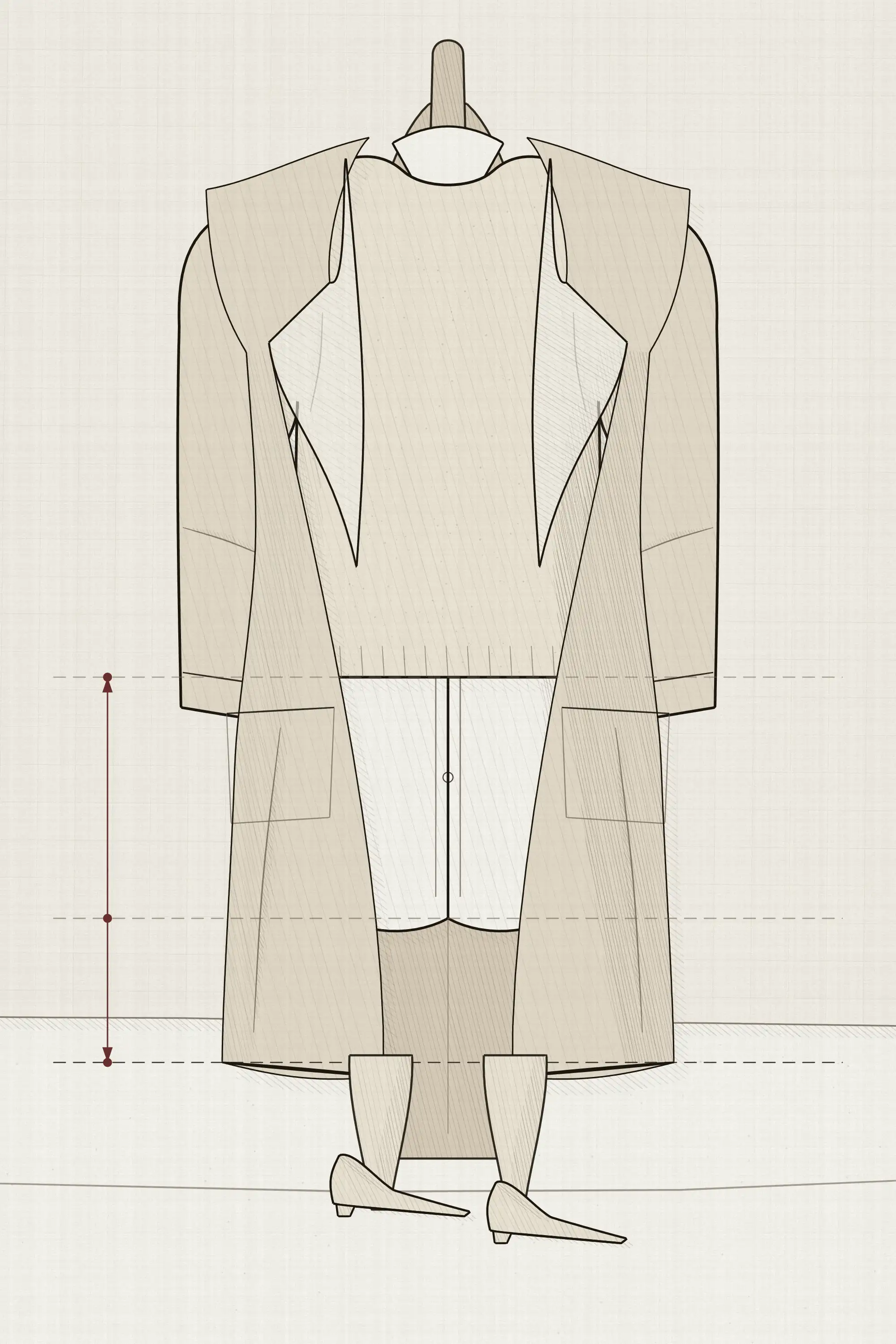
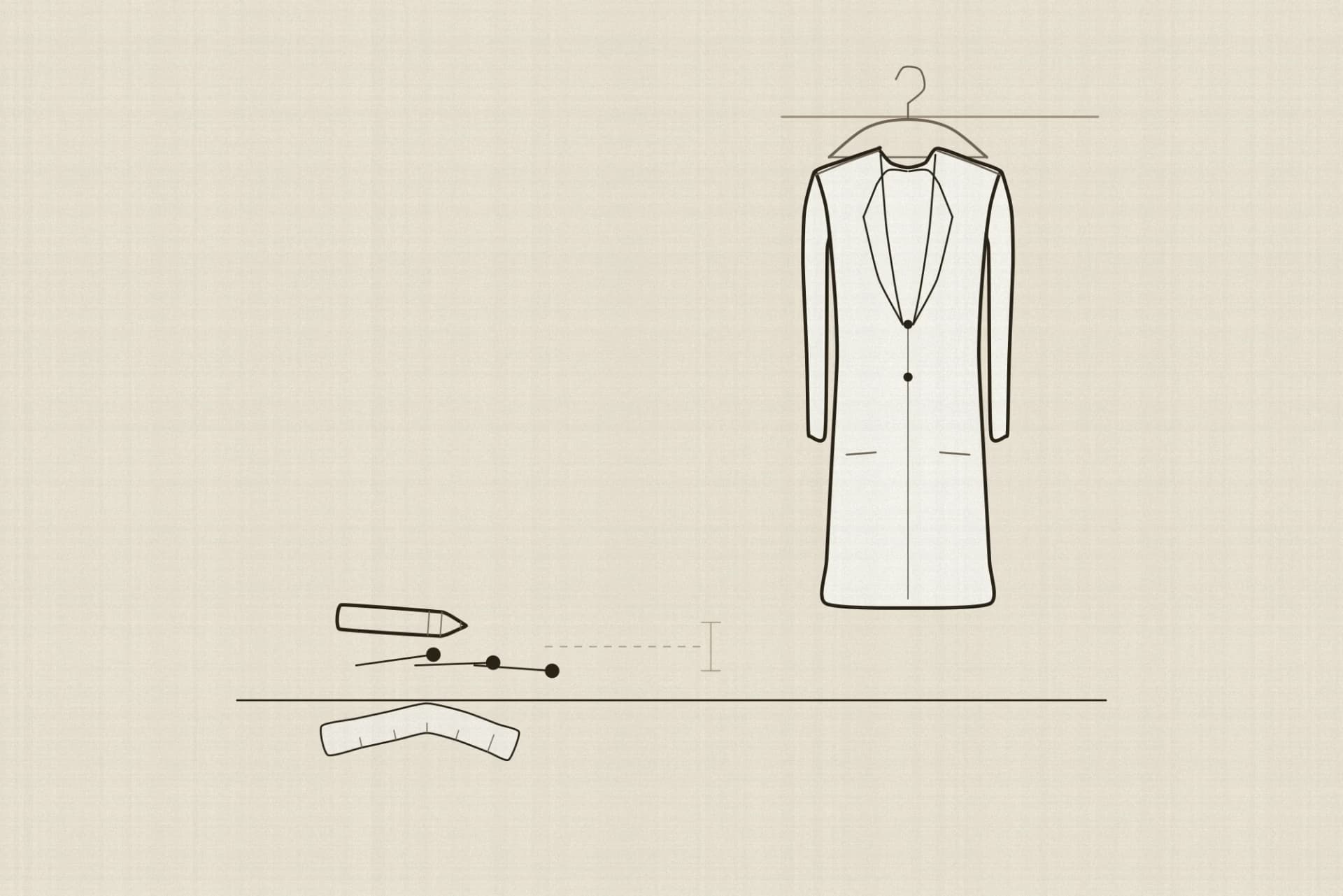
A coat is the hardest garment to buy petite, because it carries every drafting decision simultaneously and forgives none of them. The shoulder sets the line, the sleeve sets the proportion, the body length decides whether you read as compact or as submerged.
It is also, across this directory, among the least documented categories. Four brands have recorded outerwear or knitwear coverage in their petite ranges.
Side by side
Category coverage here reflects what each brand’s own petite pages show it sells. An unrecorded category means we have not seen the brand say so, not that it does not sell it.
Category coverage here reflects what each brand’s own petite pages show it sells. An unrecorded category means we have not seen the brand say so, not that it does not sell it.
“Not established” means nobody has found the brand publishing it. It is not a “no”. Each record on the brand directory gives the reason for every gap.
The most useful sentence in the four
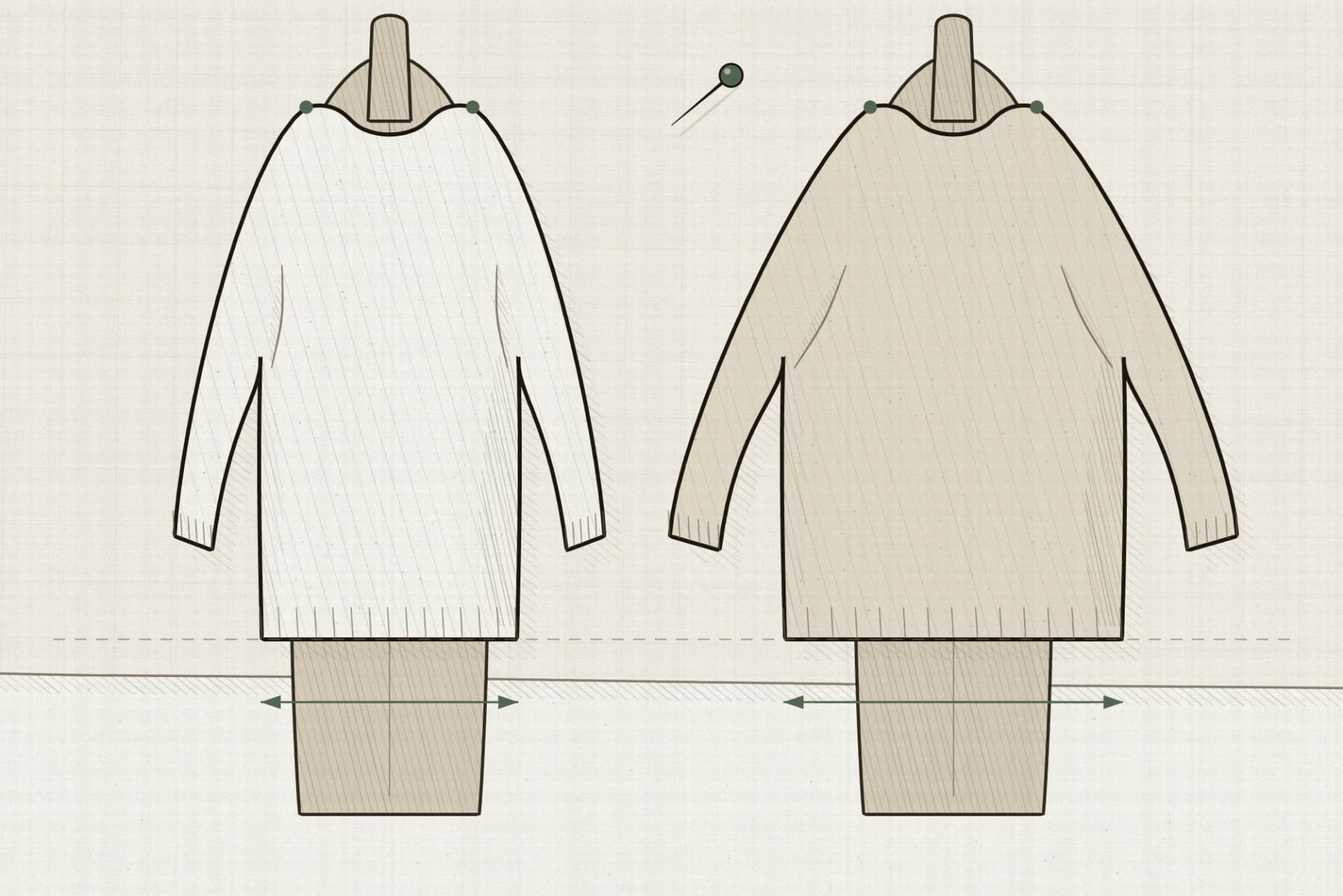
Marks & Spencer states that its petite jackets, shirts and knitwear are cut a little shorter to give the illusion of height. Read that precisely: it describes a length change, not a redrafted armhole. For knitwear that is often exactly right, a shorter body is most of what a petite knit needs. For a structured jacket it means the shoulder is unchanged, and the shoulder is the seam you cannot afford to move.
Why knitwear is the forgiving one
Knit fabric has give, and a dropped shoulder is a design feature rather than an error, which means a shortened standard block behaves far better in a jumper than in a blazer. If a range publishes nothing about drafting and you want to try it, knitwear is the low-risk entry point and a lined coat is the high-risk one.
Sources
Guidance in this article is derived from the published material below. No garment described here has been worn or tested by the publication.
The fit research desk compiles published size charts, garment measurements and inseam data, then records what those numbers mean for a 5’4″-and-under frame. Findings are attributed to the measurements they came from.
Eight researched ranges publish enough about their petite cut for an alteration likelihood to be inferred. The inference, the reasoning, and where it runs out.
Petite Fit · 8 min read
Save for later
Pin this story
Three formats travel differently: a headline pin for discovery, a quotation for reach, and a checklist for saves. All are 2:3.
Petite Revue
Petite coats and knitwear: what four ranges actually publish
Coats are the hardest thing to buy petite and the thinnest category for published data. What four ranges do state.
Headline pin · 1000 × 1500
A coat carries every drafting decision at once, and it is the least documented petite category. What is on the record.